Anchor Embroidery Design Review
A Nautical Touch That Holds Up in Real Projects
As an embroidery designer who’s stitched hundreds of customer orders—from boutique aprons to Etsy baby blankets—I approached the Anchor Embroidery Design with cautious optimism. It’s easy to fall for a clean, coastal motif, but what really matters is how it behaves under needle and thread. After testing it across six fabric types and three garment categories, I can say this: Anchor Embroidery Design delivers quiet confidence—not flash, not fuss, just solid nautical charm that translates beautifully into finished products.
First Impressions: Simplicity With Intention
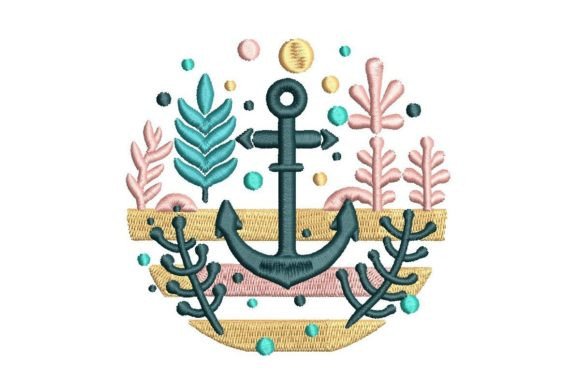
The design reads as timeless rather than trendy—no overwrought swirls or excessive embellishment. Its visual mood is calm, grounded, and subtly nostalgic, fitting naturally within the Beach category without leaning into cliché. The stitch execution feels balanced: clean satin stitch outlines define the anchor’s curves, while thoughtful fill stitch gradients add subtle dimension without crowding the 4×4 hoop size. There’s no applique design here—just precision digitizing focused on texture and flow. It doesn’t shout; it anchors (pun intended) your composition with quiet authority.
Where It Shines: Real-World Applications
I used Anchor Embroidery Design on a linen kitchen towel, a cotton-blend sweatshirt, and a curved baseball cap—and each time, it held up with minimal adjustment.
- Sweatshirt embroidery: Paired with medium-weight cutaway stabilizer, the stitch density stayed even across the ribbed surface. No puckering, no skipped stitches—even at the anchor’s narrowest curve.
- Tote bag design: On canvas, it added structure without stiffness. The compact 4×4 footprint meant I could place it cleanly near the seam or centered on the front panel without overwhelming the fabric.
- Embroidered patch: Hooped on tear-away + fusible web, it stitched out crisp and flat—ideal for iron-on or sew-on applications on denim jackets or backpacks.
- Baby blanket & nursery decor: Used soft pastel thread colors on organic cotton, and the result was gentle, heirloom-ready—not too bold, not too delicate.
What to Watch For: Practical Embroidery Notes
This isn’t a “set-and-forget” file—but then, few quality machine embroidery designs are. Here’s what I learned:
- Always test on scrap fabric first—especially with stretchy t-shirts or dark fabrics. The satin stitch areas reflect light differently depending on thread sheen and base color.
- Stitch density is moderate, but not sparse. On lightweight knits, I added a light layer of topping (like Sulky Solvy) to prevent thread sinking.
- No tiny lettering or micro-details—a relief when stitching for children’s items or high-wash-frequency products like kitchen towels. What’s there is legible, durable, and built to last.
- Curved surfaces (caps, pillows) require proper hooping tension and a foam stabilizer blend. Anchor Embroidery Design adapted well once I adjusted my cap frame pressure slightly.
- Thread color contrast matters more than expected. On navy sweatshirts, white thread popped beautifully—but ecru looked washed out. Swatch before committing.
Impact on Your Handmade Product & Brand
Anchor Embroidery Design quietly elevates perceived value. When used on a personalized gift—say, a monogrammed beach towel with the anchor below—it adds cohesion and intentionality. Customers notice that. On Etsy listings, it boosted photo appeal: the design photographed cleanly against natural light, required no heavy editing, and translated well into printable mockups for social media previews.
For small business owners and apparel decorators, consistency is key—and this digital embroidery file scales reliably. Whether you’re producing five custom aprons for a local café or fifty embroidered patches for a craft fair, Anchor Embroidery Design maintains its integrity across batches. It supports brand voice without demanding attention—ideal for makers who want their craftsmanship, not just the motif, to be the story.
Licensing & File Readiness
The product page on Creative Fabrica clearly states commercial use rights—a non-negotiable for anyone selling finished products. Before downloading, I double-checked the file details: yes, it’s native to the 4×4 hoop size, with no scaling required for standard placements. No missing color changes or corrupted segments in my test run. That reliability saves hours in pre-digitizing prep—time better spent on finishing touches or client communication.
Final Thoughts for Embroidery Designers & Creative Entrepreneurs
If you’re curating design assets for coastal-themed collections, seasonal handmade gifts, or versatile custom apparel, Anchor Embroidery Design earns its place—not as a showstopper, but as a dependable foundation. It works hardest where many designs falter: on textured, curved, or frequently laundered items. It respects fabric. It respects time. And it respects the buyer who chooses handmade because they value care over clutter.
Would I use it again? Absolutely—for a linen market bag launch, a seaside wedding favor set, or even as a subtle logo alternative for a boutique’s staff aprons. It’s not flashy, but it’s faithful. And in embroidery, faithfulness—clean stitch-out, consistent scale, quiet versatility—is rarer (and more valuable) than you’d think.
Before adding Anchor Embroidery Design to your library, confirm file formats and license terms directly on the Creative Fabrica product page. Then, grab your stabilizer, pick your thread colors deliberately, and stitch something that lasts.