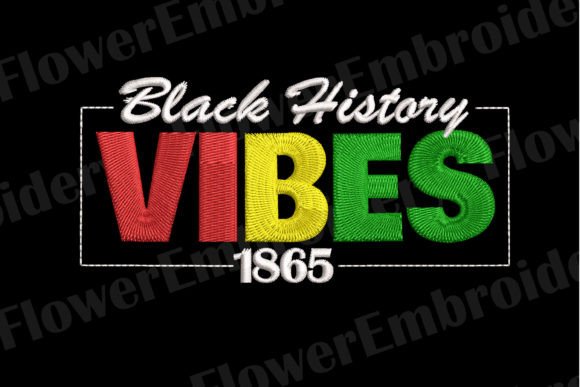
Black History Vibes Machine Embroidery
A Designer’s First Look: Mood, Layout & Stitching Personality
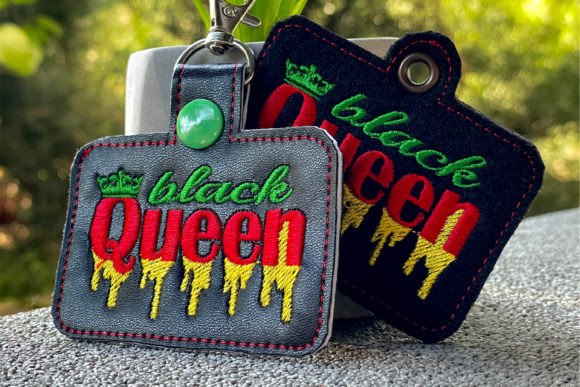
As an embroidery designer who’s developed over 200+ boutique-ready collections, my first impression of Black History Vibes Machine Embroidery is immediate and resonant—it lands with quiet confidence. The title alone signals intentionality: not just celebration, but vibration—energy, rhythm, legacy. Visually, I imagine layered lettering with subtle organic flourishes—perhaps a soft serif or hand-guided sans-serif that balances reverence and modernity. There’s likely thoughtful negative space, intentional kerning, and a rhythm in the stitch flow that avoids rigidity. This isn’t a loud graphic; it’s a grounded, warm, and deeply human machine embroidery design—neither overly decorative nor starkly minimal. It reads as bold *and* tender, timeless *and* current—ideal for a boutique brand that values authenticity over trend-chasing.
How It Lives on Real Sweatshirt Fabric
On neutral sweatshirts—think heather oat, stone grey, or natural unbleached cotton—the Black History Vibes Machine Embroidery design gains quiet authority. Thread colors will make or break it: deep charcoal or rich cocoa thread on light fabric delivers warmth and clarity without shouting. On dark fabric—navy, black, or espresso fleece—the design needs high-contrast thread (ivory, cream, or antique gold) to maintain legibility and dimension. Pastel sweatshirts (dusty rose, sage, sky blue) invite softer tonal stitching—muted terracotta or slate grey—that lets the message breathe while feeling intentionally curated.
Oversized hoodies? Yes—especially chest placement. The layout feels inherently scalable: clean lines hold up at 3.5"–4.5", and the balanced weight prevents visual sinking into heavy fabric texture. Sleeve accents work beautifully at 2.25" wide—ideal for subtle branding without compromising comfort. For back designs, this machine embroidery design has strong compositional integrity: centered, vertical, or gently arched—it reads clearly even when viewed from a distance in lifestyle product photography.
Boutique Brand Fit: Premium, Purposeful, Present
This Black History Vibes Machine Embroidery design doesn’t feel “cute” or “playful” in a fleeting way—it feels *present*. That’s gold for small shop owners building trust through consistency. It leans into awareness—not as a seasonal checkbox, but as a sustained brand value. When styled thoughtfully (e.g., paired with minimalist packaging, handwritten care tags, or printable mockups showing real fabric drape), it elevates the entire handmade product experience. Buyers recognize intention: this isn’t mass-produced clip art—it’s a considered embroidery file meant for meaningful custom apparel.
For Etsy sellers and digital embroidery file shops, its versatility is a listing superpower. Use it across multiple product types—sweatshirts, tote bags, denim jackets—without visual fatigue. In mockup previews, it holds attention because it’s legible, emotionally grounded, and stylistically cohesive. No competing elements. Just clarity, craft, and resonance.
Practical Design Considerations for Commercial Embroidery
Before stitching your first sample, ask: What’s the stitch density? High density adds richness but risks stiffness on lightweight fleece; moderate density preserves drape and breathability—critical for cozy seasonal apparel. Stabilizer choice depends on fabric texture: medium-weight cutaway works best for heavyweight sweatshirts; tear-away suffices for lighter French terry. Always test on scrap fabric first—especially with looped-back knits where puckering can distort delicate letterforms.
Hoop size matters for placement flexibility. If the Black History Vibes Machine Embroidery file fits comfortably in a 4"x4" hoop, you’ll have room to adjust chest alignment on varied hoodie sizes. Small-size readability is non-negotiable—if scaled below 2.75", does the spacing tighten unnaturally? Does fine detail vanish? Review the embroidery file at 100% zoom before production. And remember: washing durability hinges on both stitch quality *and* thread type. Polyester thread offers superior fade and wash resistance over rayon—essential for commercial embroidery longevity.
Why This Design Strengthens Your Brand Identity
When customers choose a sweatshirt with Black History Vibes Machine Embroidery, they’re choosing more than apparel—they’re aligning with values. That builds buyer trust organically. For a small boutique brand, that emotional resonance translates directly to repeat engagement, social shares, and word-of-mouth credibility. Visually, the design becomes part of your brand’s recognition system—consistent, recognizable, respectful. It doesn’t shout; it invites conversation. That’s powerful in crowded digital spaces like Etsy or Instagram feeds.
It also reinforces your handmade presentation. Unlike flat prints, embroidery carries tactile weight—literally and metaphorically. Customers feel the raised stitches, notice the precision, appreciate the time invested. That perceived value lifts price points naturally. A $68 embroidered sweatshirt feels justified next to a $42 screen-printed one—because the craftsmanship tells a story before the wearer says a word.
Final Notes for Creative Entrepreneurs
Black History Vibes Machine Embroidery sits firmly in the Awareness category—not as decoration, but as declaration. Its strength lies in restraint, rhythm, and resonance. Whether you’re launching a Juneteenth capsule collection or offering year-round custom apparel with purpose, this embroidery file supports both intention and execution.
That said—always verify technical details before bulk production. Check the included hoop size, recommended fabric types, and whether the file supports multi-color thread changes. Confirm licensing terms if you plan to resell finished goods commercially. And if the description mentions “endless possibilities,” lean into them: pair it with complementary design assets—like coordinating pocket motifs or sleeve bars—to create signature sets that stand out in any small shop product lineup.
For embroidery shops, crafters, and apparel decorators: this isn’t just another machine embroidery design. It’s a tool for meaning-making—one stitch, one sweatshirt, one story at a time.