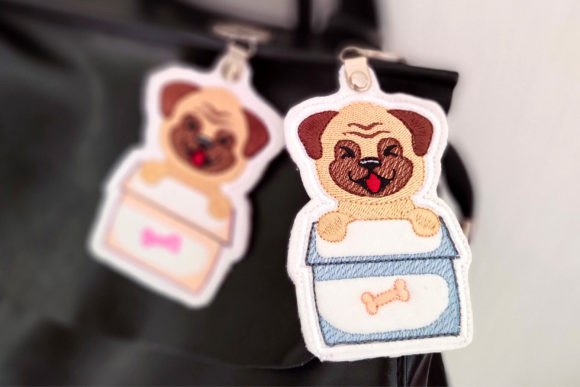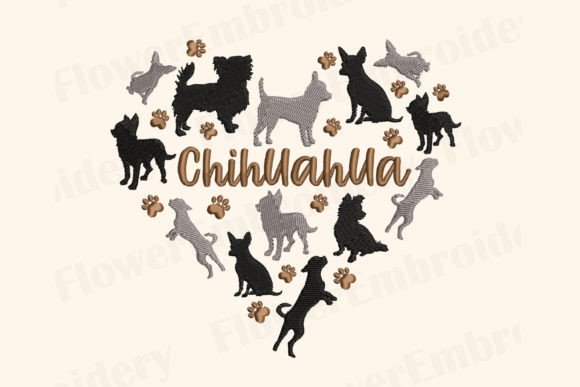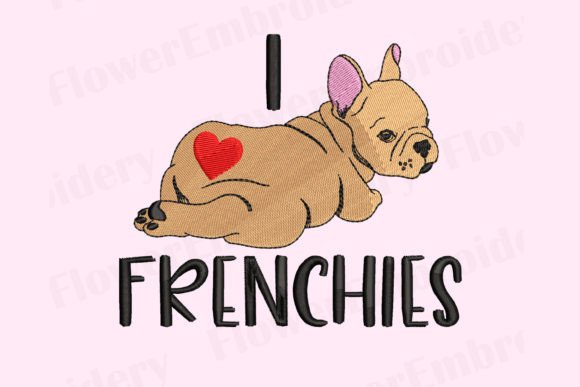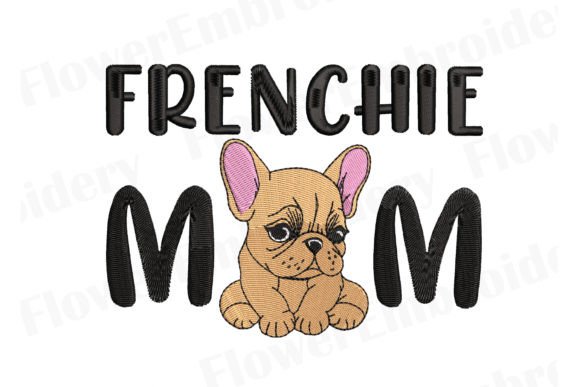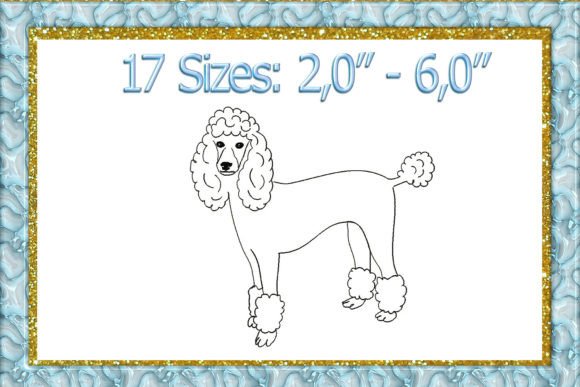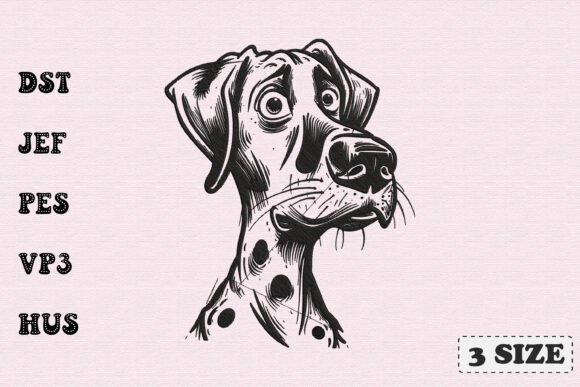
Funny Dog Embroidery Design
A Practical Review for Small Business Merch & Branded Patches
As an embroidery designer who’s digitized and stitched thousands of designs for cafés, pet boutiques, florists, bakeries, and handmade studios, I approach every Funny Dog Embroidery Design with two questions: “Will it hold up on real garments?” and “Does it strengthen the brand—not distract from it?” This design immediately stands out—not because it’s flashy, but because it’s intentionally human. Its playful dog, captured mid-quirk with a silly expression or off-kilter pose, lands as warm, approachable, and authentically joyful—exactly what small businesses need to signal personality without sacrificing professionalism.
First Impression: Friendly, Handmade, and Brand-Ready
The Funny Dog Embroidery Design reads as friendly and handmade, not cartoonish or juvenile. That distinction matters. A local pet supply shop can use it on aprons and tote bags without seeming gimmicky; a floral studio might pair it with minimalist lettering for subtle charm on staff caps. It avoids over-polished vector sterility—instead, it feels like a well-drawn sketch translated thoughtfully into stitches. That handmade impression builds trust: customers sense care, not clip art. For Etsy sellers and craft-based brands, that authenticity directly supports perceived value and buyer engagement.
Real-World Performance Across Merch Categories
In actual production, the Funny Dog Embroidery Design shines where personality meets practicality:
- Embroidered patches: Works beautifully as a 2”–3” woven or chenille-style patch—ideal for jackets, backpacks, or boutique packaging. The expressive silhouette holds detail even when shrunk.
- Staff uniforms & aprons: As a chest accent or sleeve detail, it adds warmth without overwhelming. On dark denim or canvas aprons, it reads clearly—especially when paired with high-contrast thread colors.
- Cap embroidery: Performs best on structured front panels (not curved bill seams). Its bold outlines and open negative space prevent fill distortion at standard cap sizes (2.25” wide).
- Tote bag design & product labels: Scales cleanly to 4”–5” for center-back placement on cotton totes or as a stitched tag on handmade soap wraps or candle sleeves.
- Custom apparel & event merch: Stitches reliably on polo shirts, tees, and work shirts—particularly when stabilized properly for knit fabrics.
It’s also highly effective as a printable mockup asset: designers and small business owners can preview how the Funny Dog Embroidery Design integrates into full branding suites—paired with fonts, color palettes, and other design assets.
Where to Use It Thoughtfully
Even strong designs have limits—and smart embroidery shops know when to pause. With the Funny Dog Embroidery Design, exercise caution in these scenarios:
- Under 1.5” patch size: Fine facial details or thin limbs may blur. Always test stitch at target size before bulk production.
- Highly textured fabric (e.g., bouclé, heavy linen): Dense stitching can sink or snag—opt for simplified versions or lighter stitch density if available.
- Dark uniforms with low-contrast thread: Avoid navy-on-navy or black-on-charcoal unless the design includes bold outlines or halftone tricks.
- Frequent-wash items (e.g., kitchen towels, reusable napkins): Confirm the machine embroidery design uses secure underlay and satin-stitched edges—not just fill-heavy areas prone to fraying.
- Curved surfaces (like cap bills or rounded tote handles): Digitizing adjustments are often needed—don’t assume the base digital embroidery file is optimized for all contours.
How It Shapes Brand Identity & Customer Connection
The Funny Dog Embroidery Design doesn’t just decorate—it communicates. For a pet groomer or rescue nonprofit, it signals empathy and lighthearted expertise. For a café with a resident shop dog? It becomes an instant conversation starter—and a memorable visual anchor across mugs, aprons, and loyalty cards. That consistency builds recognition faster than text alone. More importantly, it elevates perceived professionalism: a well-executed embroidered patch tells customers you invest in quality, not shortcuts. That translates directly to higher perceived product value—especially for handmade products priced above mass-market alternatives.
Essential Embroidery Designer Notes
Before cutting thread or sending files to your client’s embroiderer, run these checks:
- Test in black and white first—to assess contrast, weight balance, and readability without color distraction.
- Verify small-patch viability: Resize to 1.75” and check if key features (tongue, ears, eyes) remain legible.
- Review thread color contrast against common uniform fabrics—especially heather greys and kakis.
- Inspect spacing and underlay: Tight corners or overlapping limbs need proper under-stitching to prevent puckering.
- Confirm hoop size compatibility with your primary machines—some quirky poses extend wider than expected.
- Test on real fabric, not just stabilizer sheets—fabric texture dramatically affects stitch definition.
- Use appropriate stabilizer: Tear-away for stable wovens; cut-away for knits or stretchy totes.
- Create a physical mockup before client approval—digital previews miss texture, sheen, and drape.
- Compare beside other design assets: Does it harmonize with your logo, typography, and existing small business merch lineup?
- Confirm commercial licensing before using on resale items—this is non-negotiable for commercial embroidery projects.
Remember: the Funny Dog Embroidery Design isn’t just about dogs—it’s about connection. When stitched well, it turns everyday items into touchpoints that reflect your values, invite smiles, and quietly reinforce why customers choose you over the generic alternative. That’s the real power of thoughtful embroidery in small business branding.