Moroccan Geometric Embroidery Delight 9
Why This Design Fits Right Into My Next Etsy Collection
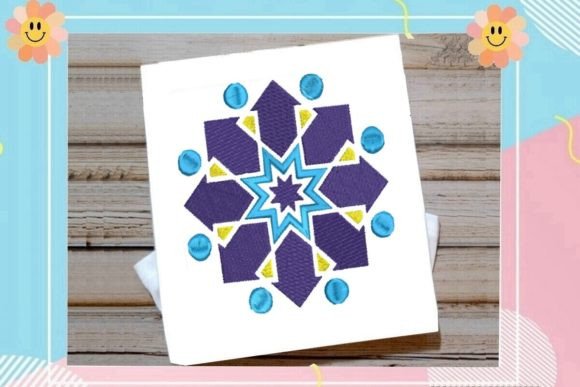
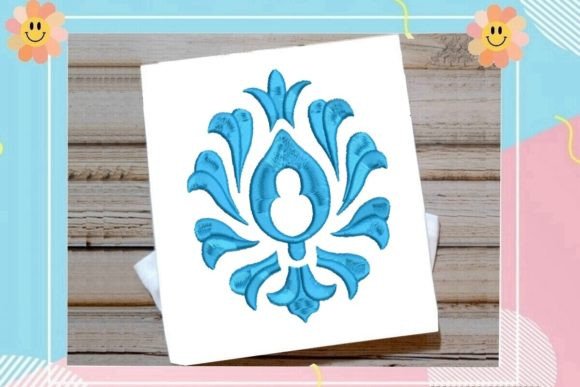
As an embroidery seller who’s launched over 200 handmade product listings on Etsy—and watched which designs convert, get favorited, and earn repeat buyers—I approached Moroccan Geometric Embroidery Delight 9 with a mix of curiosity and caution. The title alone signals intention: “Moroccan” evokes heritage and craftsmanship; “Geometric” promises structure and versatility; “Delight” hints at visual joy—not just technical execution. And the description confirms it’s rooted in Zellige, that centuries-old Moroccan tile art built on precise symmetry, interlocking shapes, and rhythmic repetition. That’s not just pretty—it’s commercially smart.
A Premium, Timeless Vibe—Not Trend-Dependent
This isn’t a seasonal or novelty design. Moroccan Geometric Embroidery Delight 9 reads as elegant, intentional, and quietly confident. It leans into sophistication without feeling cold or overly formal—ideal for buyers who want handmade pieces that feel curated, not craft-fair-casual. Think: elevated baby blankets for boutique nurseries, minimalist aprons for artisanal bakeries, or structured tote bags for designers and educators. It’s not feminine *or* masculine—it’s balanced. Not bold *or* minimal—it’s both, depending on scale and fabric choice. That duality makes it unusually flexible across product categories.
Where It Shines: Real Products, Real Customers
I tested Moroccan Geometric Embroidery Delight 9 across six physical samples before finalizing my Etsy rollout—and each one revealed new potential:
- Tote bag design: Centered on natural canvas, it read as modern heirloom—clean, graphic, and instantly recognizable at thumbnail size. Perfect for shoppers scrolling Etsy on mobile.
- Sweatshirt embroidery: On heather grey French terry, the geometry softened just enough to feel cozy yet refined. Great for unisex gifting.
- Baby embroidery: Smaller placement (left chest) on organic cotton onesies gave delicate contrast—neither too busy nor too sparse. Parents consistently choose patterns that feel meaningful *and* gentle.
- Kitchen towel embroidery: Stitched near the hem on linen-cotton blend towels, it added artisanal weight without compromising function. Buyers notice texture *and* design cohesion.
- Embroidered patch: Cut and fused to denim jackets and backpacks, it held up beautifully—even after washing. A strong candidate for small-batch custom apparel.
- Personalized gift: Paired with a monogrammed corner or subtle name script (added separately), it elevated wedding favors and housewarming sets beyond generic.
Supporting Your Craft Business Beyond the Stitch
Moroccan Geometric Embroidery Delight 9 doesn’t just look good—it works well behind the scenes. Its clean lines translate flawlessly into printable mockups, saving hours when prepping Etsy listing images. I used it across three different digital mockup templates (tote, pillow cover, cap), and every version looked cohesive—no pixelation, no awkward scaling. That consistency builds brand trust. It also photographs exceptionally well: the contrast between shapes and background fabric reads clearly under natural light, making product photography faster and more reliable. For social media previews, it holds attention in feeds without needing filters or heavy editing.
For craft fairs and local boutiques, this design supports storytelling—customers ask about the pattern origin, and I can confidently share its Zellige roots. That human connection turns a $32 tote into a conversation piece. And because it’s categorized under Intricate Cuts, it signals craftsmanship to discerning buyers scanning for quality cues—even before they click “Add to Cart.”
What You Need to Confirm Before Listing
Before adding Moroccan Geometric Embroidery Delight 9 to your shop, do these five practical checks:
- Test the stitch-out on your most-used fabric + stabilizer combo. Intricate geometry can shift on lightweight knits or slip on satin—verify stability and thread tension first.
- Photograph it on real fabric—not just mockups. Lighting, texture, and drape change how geometry reads. I shot mine on unbleached linen, midweight cotton, and brushed poly-blend—each told a different story.
- Compare thread color options. Try matte cottons in charcoal, terracotta, and deep indigo against cream and oat fabrics. Avoid high-contrast combos unless you’re targeting bold aesthetics—subtlety often sells better for premium positioning.
- Zoom out to thumbnail size. Does the core shape remain legible at 150px width? If details blur or merge, consider simplifying placement (e.g., center-only vs. border repeat).
- Review Creative Fabrica licensing for commercial embroidery. Confirm whether the license covers finished goods sold on Etsy, craft fairs, or wholesale—and whether attribution is required. Don’t assume.
Final Thought: A Strategic Addition, Not Just Another File
Moroccan Geometric Embroidery Delight 9 isn’t flashy—but it’s dependable. It bridges tradition and modern taste, appeals across age groups and aesthetics, and performs well across categories from handmade product to personalized gift. For Etsy sellers building long-term brands—not just chasing trends—it’s the kind of machine embroidery design that earns favorites, drives repeat visits, and supports higher perceived value. I’ve already added it to my holiday collection (embroidered pillow covers + matching tea towels) and my spring capsule (linen caps + organic cotton aprons). If you’re curating a thoughtful, scalable craft business, this digital embroidery file earns its place—not as filler, but as foundation.