Pink Branch Embroidery Designs
First Impression: Soft, Modern, and Instantly Inviting
As an embroidery designer who’s curated over 200 craft fair booths—and shipped thousands of embroidered pieces to Etsy sellers and boutique makers—I opened Pink Branch Embroidery Designs expecting charm. What I got was something more: quiet confidence. It reads as soft modern—not overly fussy, not starkly minimal—just a graceful, balanced floral motif with gentle movement. The “pink branch” phrasing suggests botanical elegance rather than cartoonish cuteness or rustic overload. It lands somewhere between farmhouse warmth and contemporary boutique appeal—exactly the sweet spot for handmade markets where shoppers seek personality *and* polish.
Where Pink Branch Embroidery Designs Shines on Craft Fair Products
This design doesn’t scream—it invites. And that’s why it excels on high-touch, giftable items:
- Tote bag design: Centered on a natural canvas or linen tote, Pink Branch Embroidery Designs reads clearly from three feet away—soft enough to feel handmade, bold enough to stop browsers mid-aisle.
- Apron embroidery: Placed just above the pocket or along the waistband, it adds artisanal warmth without competing with functional details. Customers associate this placement with care and craftsmanship.
- Tea towel embroidery: On tightly woven cotton or flour-sack linen, the branch flows naturally across the grain. It avoids looking “stamped” or digital—critical for kitchen-focused buyers who value tactile authenticity.
- Embroidered patch: At 3–4 inches wide, Pink Branch Embroidery Designs scales beautifully as a sew-on or iron-on patch. Its organic shape makes it feel custom, not mass-produced—a huge plus for indie clothing brands and DIYers.
- Pillow cover & pouch accents: As a single focal motif (not repeated), it elevates small shop products instantly. Think velvet pillow covers in sage or oatmeal—this design whispers luxury without shouting.
What Holds It Back (And How to Work Around It)
Not every surface is equal—and Pink Branch Embroidery Designs reveals its limits quickly on tricky substrates:
- Dense stitch areas: If the branch includes layered petals or fine veining, test stitch density on textured towels or terry cloth. Over-stabilizing can flatten dimension; under-stabilizing causes puckering.
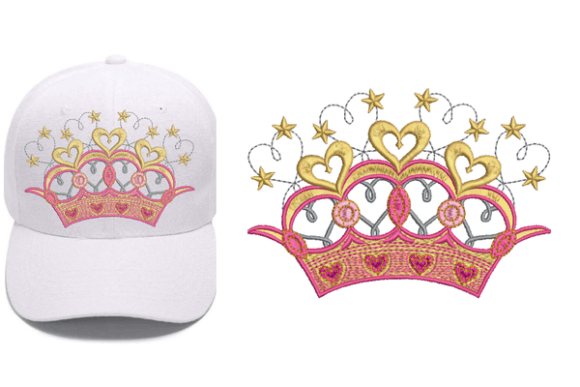
- Caps & curved surfaces: Avoid placing the full motif across the front curve of a baseball cap. Instead, use a simplified branch tip or single bloom as a subtle side accent.
- Dark fabric: Pink thread pops on ivory, blush, or stone—but fades on charcoal or navy unless you switch to rose quartz or magenta thread colors for contrast.
- Small sizes: Below 2.5 inches, delicate tendrils may blur. For tiny pouches or keychain tags, opt for a cropped version—or pair it with clean typography for balance.
Photography, Listings, and Online Appeal
Pink Branch Embroidery Designs photographs exceptionally well—especially on natural light setups. Its soft palette flatters warm-toned backgrounds (wood, marble, linen), and the branch shape creates gentle leading lines for composition. As a digital embroidery file, it supports strong printable mockups: layer it on flat-lay photos of aprons, tea towels, or gift boxes to build cohesive Etsy listings. Buyers respond to consistency—so if your shop leans into Floral Wreaths as a theme, this design strengthens your visual identity without repeating the same circular layout.
Why It Builds Booth Presence
In a crowded craft fair aisle, Pink Branch Embroidery Designs stands out by being *recognizable but not repetitive*. Unlike symmetrical wreaths or all-over repeats, its asymmetry feels intentional and hand-drawn—even when machine-embroidered. That perceived effort translates directly to perceived value. Shoppers pause longer. They ask, “Did you draw that?” (Even when you didn’t.) That moment of connection? That’s where sales begin.
Production Notes Every Embroidery Designer Should Check
Before cutting your first production run—especially for commercial embroidery or wholesale orders—do these six things:
- Test the design on scrap fabric that matches your final product (e.g., unbleached linen for tea towels, twill for aprons).
- Check thread contrast across at least three fabric colors—light, medium, and dark—to confirm legibility.
- Review spacing and flow at actual size: does the branch “breathe,” or does it feel cramped next to seams or hems?
- Confirm hoop size compatibility—some branches stretch wide. A 5x7 hoop may require repositioning; a 6x10 gives breathing room.
- Inspect stitch density in tight curves and leaf clusters. High density = beautiful detail, but also higher risk on low-thread-count fabrics.
- Use the right stabilizer: cutaway for knits, tear-away for stable wovens, and ultra-lightweight for sheer fabrics like voile.
One Non-Negotiable Step
Create at least one real mockup—not just a digital render. Stitch Pink Branch Embroidery Designs onto your exact tote fabric, then photograph it in natural light beside a coffee cup and notebook. Compare it to your other bestsellers. Does it hold its own? Does it feel like *your* brand? If yes—you’ve got a craft fair winner. If not, adjust thread palette or placement before batch production.
Final Verdict: A Strategic, Scalable Design Asset
Pink Branch Embroidery Designs isn’t just another floral embroidery file. It’s a versatile, emotionally resonant design asset built for real-world selling. It works across categories—Embroidery, home goods, apparel, and accessories—without needing heavy reworking. For Etsy sellers building a cohesive shop, small shop owners refreshing seasonal inventory, or craft fair vendors curating booth-ready products, it delivers immediate visual lift and long-term repeatability. Paired with thoughtful fabric choices, smart thread selection, and one solid physical mockup, Pink Branch Embroidery Designs becomes more than decoration—it becomes your signature touch.