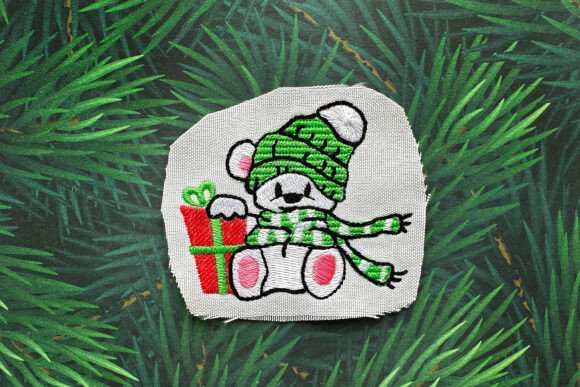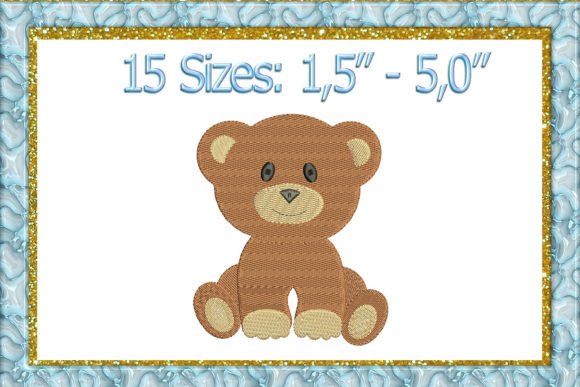
Teddy Bear Embroidery
First Impression: Friendly, Warm, and Professionally Playful
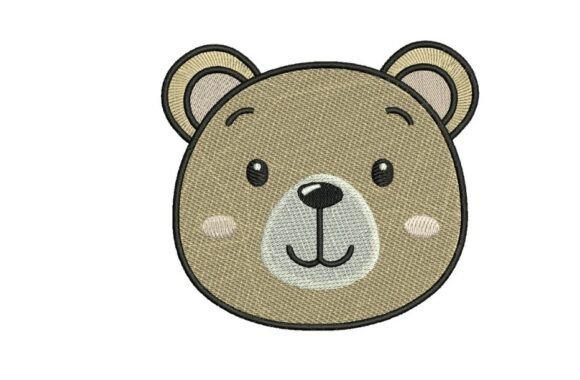
As an embroidery designer who’s digitized and stitched thousands of commercial designs for small businesses, my first reaction to Teddy Bear Embroidery is immediate and positive: it reads as approachable, emotionally resonant, and intentionally crafted—not just cute, but brand-ready. The description—“a cheerful teddy bear with a sweet smile, blushing cheeks, and warm, soft colors”—signals strong visual personality: gentle confidence, handmade sincerity, and quiet professionalism. This isn’t a cartoonish or overly juvenile motif. It leans into warmth without sacrificing clarity, making it ideal for businesses that want to project kindness, care, and authenticity—think local cafés with storybook charm, indie florists celebrating childhood nostalgia, pet wellness brands, or boutique nurseries building emotional connection.
Real-World Business Use: Where Teddy Bear Embroidery Shines
In practice, Teddy Bear Embroidery performs exceptionally well across high-impact small business merch categories—especially where human connection matters most. As an embroidered patch, it adds instant character to denim jackets, tote bags, and staff aprons without overwhelming the garment. On café or bakery uniforms, it works beautifully on chest pockets or sleeve cuffs—small enough to be subtle, expressive enough to spark smiles from customers. For handmade brands selling on Etsy or at craft fairs, this design elevates product packaging accents (think embroidered tags on gift boxes or linen pouches) and becomes a memorable visual anchor in printable mockups used for social media or client presentations.
It’s also highly effective as a cap embroidery piece—particularly on structured front panels—because its rounded contours and balanced proportions adapt well to curvature. On tote bag design, the cheerful face holds attention at arm’s length, reinforcing brand identity without relying on text. And for creative studios or children’s service providers (like pediatric therapists or Montessori schools), Teddy Bear Embroidery strengthens trust: it signals empathy, patience, and attentiveness—qualities clients actively seek.
Where to Apply Careful Design Judgment
That said, not every application is equally forgiving. Because the design emphasizes soft facial features and delicate color transitions (blushing cheeks, gentle shading), it requires thoughtful execution in specific contexts:
- Small patch sizes (under 2.5 inches wide): Fine details like cheek definition or subtle stitch gradations may blur. Always test stitch-out at intended size before bulk production.
- Cap fronts with deep curvature: Distortion risk increases if the digitizing doesn’t account for crown stretch. Confirm the embroidery file includes underlay and pull compensation optimized for headwear.
- Textured or napped fabrics (e.g., fleece, terry cloth, heavy canvas): These swallow fine stitches. Adjust stitch density and use cutaway stabilizer to preserve facial clarity.
- Dark uniforms or black totes: Warm thread colors must contrast strongly—test thread combinations (e.g., light tan + blush pink + ivory) against base fabric before finalizing.
- Frequent washing: High stitch density areas (like eyes or smile lines) need secure locking and tight satin coverage. Verify the machine embroidery design uses appropriate under-stitching and satin column width for durability.
Brand Identity & Customer Perception: More Than Just Adorable
Used intentionally, Teddy Bear Embroidery does heavy lifting for brand identity. It communicates care without saying a word—making it powerful for service-based small businesses where emotional resonance drives loyalty. Unlike generic logos, this design invites engagement: parents notice it on a boutique’s apron and remember the shop’s gentle vibe; customers photograph embroidered tote bags and share them organically. That visibility builds recognition faster than text-only branding.
Crucially, it balances handmade presentation with professional polish. When executed cleanly—consistent tension, precise color registration, crisp edges—it signals craftsmanship and attention to detail. That perception directly lifts perceived product value, especially for premium handmade goods or curated gift collections. For Etsy sellers, it creates visual consistency across listings, packaging, and social assets—turning scattered items into a cohesive, trustworthy brand story.
Practical Designer Notes Before You Stitch
Before launching Teddy Bear Embroidery into any commercial embroidery project, here’s what I always verify:
- Test in black and white first—to assess contrast, silhouette strength, and readability without color distraction.
- Check minimum viable size—does the face remain legible at your smallest intended patch or cap embroidery dimension?
- Review thread color contrast on actual fabric swatches—not just screen previews.
- Inspect spacing between elements, especially between eyes, nose, and mouth—tight gaps can merge during stitching if stabilizer or tension isn’t dialed in.
- Confirm hoop size compatibility with your production machines—and whether the design fits standard hoops without re-hooping mid-stitch.
- Test on real fabric, using the exact stabilizer type and needle you’ll use commercially. A linen apron behaves very differently than cotton twill.
- Create a physical mockup for client approval—not just a digital proof—to show how light, texture, and scale affect the finished product.
- Compare beside other design assets (logos, fonts, patterns) to ensure visual harmony across your full brand toolkit.
- Verify commercial licensing before using Teddy Bear Embroidery on merchandise for resale—this is non-negotiable for small business merch compliance.
Remember: a beautiful digital embroidery file only becomes valuable when it translates reliably into a durable, consistent, and emotionally intelligent finished product. With thoughtful prep, Teddy Bear Embroidery isn’t just decorative—it’s a strategic brand asset for makers, shops, and studios who believe warmth and professionalism belong together.