Tiger Face Embroidery Design
First Impression: Bold, Majestic, and Instantly Recognizable
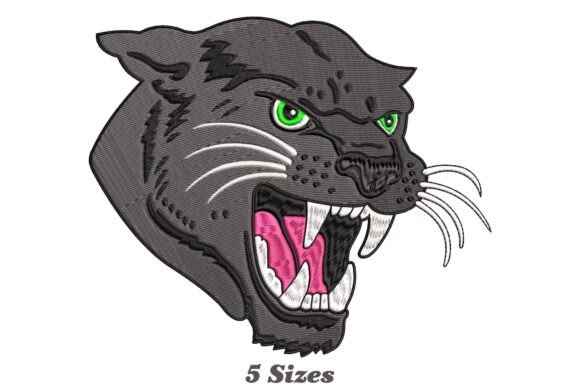
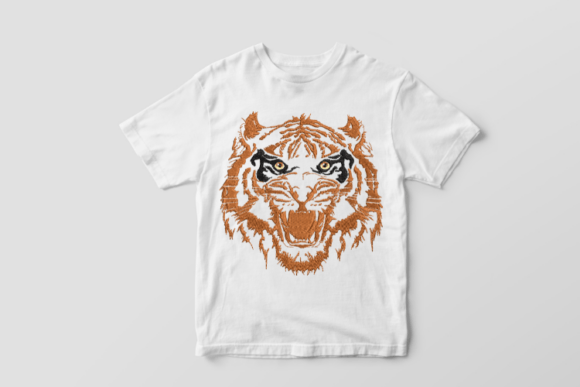
As an embroidery designer who’s prepped over 200 craft fair booths—and watched thousands of shoppers pause at a single stitch—I’ll say it straight: Tiger Face Embroidery Design lands with authority. It’s not cute. It’s not rustic or minimalist. It’s bold, fierce, and unapologetically majestic—the kind of design that stops someone mid-aisle, draws them in for a closer look, then makes them reach for their wallet. That “striking design” line in the description? It’s accurate. The tiger’s expression carries weight, presence, and personality—exactly what handmade shoppers crave in a Wild Animals themed embroidery piece.
Where Tiger Face Embroidery Design Shines on Craft Fair Products
This isn’t a one-size-fits-all motif—it thrives where scale, texture, and intention align. Here’s how it performs across your most common craft fair product categories:
- Tote bag design: A standout. Centered on a natural canvas or black linen tote, the tiger face commands attention without overwhelming. It reads clearly from 6 feet away—critical when shoppers are scanning dozens of booths.
- Apron embroidery: Works beautifully on bib-style aprons (left chest or centered below the pocket). Adds instant character to chef, gardener, or artist-themed apparel—especially for boutique makers targeting creative professionals.
- Tea towel embroidery: Strong—but only on smooth, tightly woven cotton or linen. Avoid terry cloth or heavily textured towels; fine details like whiskers or fur texture can blur or snag.
- Embroidered patch: Highly effective as a sew-on or iron-on accent. Ideal for jackets, denim bags, or kids’ backpacks. Its strong silhouette holds up well at 3–4 inches wide.
- Caps and curved surfaces: Proceed with caution. The tiger’s facial symmetry and dense features don’t adapt easily to high-crown or curved embroidery fields. Test on a real cap first—or reserve it for flat-front panels only.
- Fabric pouches & pillow covers: Excellent focal point. On a 8" x 8" square pillow cover, the tiger face feels intentional, luxe, and giftable—perfect for handmade gift tables or Etsy listings tagged “wild animal decor.”
What Makes This Design Sell—And What Could Slow It Down
Tiger Face Embroidery Design succeeds because it balances visual impact with emotional resonance. Buyers don’t just see a tiger—they feel power, confidence, and wild elegance. That translates directly to perceived value: customers consistently pay more for designs that tell a story and hold craftsmanship weight.
But here’s the reality check: “intricate details” means stitch density matters. If your machine struggles with tight satin fills or long underlay runs, this machine embroidery design may require slower speeds, extra stabilizer layers, or careful thread tension tuning. It also doesn’t shrink gracefully—if you’re planning a 1.5-inch version for a keychain pouch, test early. Tiny eyes, nostrils, or whisker lines risk disappearing entirely.
Photography, Mockups, and Online Appeal
This design photographs exceptionally well—if you get contrast right. On light fabric, use rich, saturated thread colors (deep oranges, charcoal blacks, warm creams) to preserve definition. On dark fabric, avoid pale threads; go bold with metallic gold accents or high-contrast whites. For Etsy seller listings, pair your printable mockup with a lifestyle shot: a tiger-embroidered tote slung over a wooden market table, next to a stack of handmade soap or ceramic mugs. That context sells the handmade product, not just the digital embroidery file.
It also scales cleanly into branding assets. Use the tiger’s eye or paw print as a subtle watermark or packaging seal—strengthening brand consistency across your booth signage, tags, and business cards.
Production Notes Every Embroidery Designer Should Verify
Before cutting your first production run, do these six things:
- Test on scrap fabric that matches your final product—especially if using textured tea towels, thick denim, or performance fabrics.
- Check thread contrast under both natural and booth lighting. What looks sharp in daylight may flatten under warm craft fair string lights.
- Review spacing and fill transitions. Does the jawline blend smoothly into the background? Do whiskers separate cleanly from cheek fur?
- Confirm hoop size and placement. Some versions of this embroidery file may require a 5x7" hoop minimum—verify before loading onto multi-needle machines.
- Inspect stitch density in the eye and mouth areas. Over-stitched zones trap moisture and cause puckering on lightweight cottons.
- Use the right stabilizer. Tear-away works for stable wovens; cut-away is essential for knits, stretchy caps, or loosely woven linens.
Careful-Use Reminders for Maximum Clarity
Avoid this design on:
- Dark fabric with low-contrast thread (e.g., navy + gray)—details vanish.
- Textured or looped towels—fine lines catch and distort.
- Curved cap fronts without digitizing adjustments—distortion flattens expression.
- Sizes under 2.5 inches wide—loss of ferocity, gain of ambiguity.
- Heavy-duty fabrics like canvas or upholstery weight without added underlay or reduced density.
Final Thought: A Strategic Craft Fair Asset
Tiger Face Embroidery Design isn’t just another Wild Animals motif—it’s a conversation starter, a booth anchor, and a premium small shop product that elevates your entire display. When stitched cleanly on a structured tote or framed pillow cover, it signals quality, confidence, and creative intention. It helps your handmade product stand apart—not just visually, but emotionally. Just remember: its strength lies in clarity, contrast, and confident scale. Test thoroughly, honor the detail, and let that tiger roar—right from your craft fair table.