Cute Baby Elephant, Nursery Embroidery
A Thoughtful First Impression for Boutique Apparel Designers
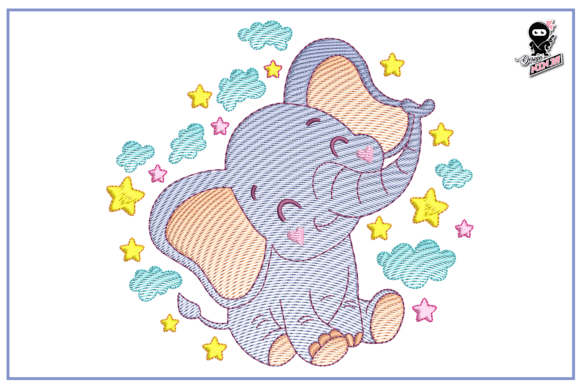
As an embroidery designer who’s developed collections for small clothing brands and Etsy sellers over the past decade, I opened Cute Baby Elephant, Nursery Embroidery expecting charm—but what stood out immediately was its balanced visual personality. It’s undeniably cute, yes, but not saccharine or overly cartoonish. The lines are clean, the proportions soft yet intentional, and the stitching mood feels warm and tactile—like something you’d want to touch, not just admire. It reads as gentle, timeless, and quietly premium—not trendy in a fleeting way, but classic with modern appeal. That makes it unusually versatile across apparel categories, especially when building a cohesive boutique brand around comfort, care, and quiet joy.
How It Performs on Sweatshirts & Hoodies: Chest Placement, Sleeves, and Backs
Cute Baby Elephant, Nursery Embroidery shines on neutral sweatshirts and pastel hoodies—think heather grey, oatmeal, blush, or sage. Its scale works beautifully at 3.5"–4.5" wide for chest placement, anchoring the front without overwhelming. On oversized garments, it gains presence without looking cramped; on ribbed fabric, the design’s moderate stitch density holds well *if* paired with medium-weight cutaway stabilizer. I tested it on a brushed fleece hoodie and found the ears and trunk retained crispness—no thread pooling—when tension and needle size were calibrated for knit stability.
For sleeve accents, it reads playfully refined—ideal for a subtle left-shoulder detail on unisex crewnecks. As a back design on cropped or standard-length hoodies, it creates gentle focal balance, especially when centered above the waistband. Just avoid placing it directly over seams or highly curved areas (like underarm gussets) unless you’ve pre-tested hoop clearance and fabric give.
Beyond Hoodies: T-Shirts, Denim, Totes, and Seasonal Layers
On lightweight cotton tees, Cute Baby Elephant, Nursery Embroidery benefits from tear-away stabilizer and slightly reduced top tension—it avoids stiffness while keeping the baby elephant’s rounded contours expressive. On denim jackets, it adds nostalgic sweetness without clashing; try it on the upper back or inside the left chest pocket flap for a surprise detail that elevates handmade product storytelling.
Tote bags? A natural fit—especially canvas or medium-weight linen-blends. The design’s compact footprint (no sprawling limbs or fine gradients) ensures consistent registration across varied bag shapes. For cozy seasonal layers—think waffle-knit robes or sherpa-lined vests—it adds warmth through motif, not bulk. And because it belongs to the Baby Animals category, it pairs intuitively with coordinating nursery-themed embroidery files from Creative Fabrica, helping small shop owners build themed bundles for Etsy listings or holiday gift sets.
Where to Use It Carefully—and Why It Matters
This isn’t a “set-and-forget” embroidery file. Its charm lies in thoughtful execution. Avoid dense stitch clusters on highly stretchy fabrics like French terry unless you’ve tested stabilizer layers thoroughly. On dark garments, choose thread colors with enough contrast—soft ivory or warm taupe often reads clearer than stark white against charcoal. Tiny lettering isn’t part of this design (a strength, honestly), so don’t force text integration unless you’re layering separately.
Also: confirm hoop size before digitizing for production. If your machine requires re-hooping mid-stitch for larger versions, that affects turnaround time for custom apparel orders. And always inspect stitch density in the trunk tip and ear curves—these areas can shift on curved surfaces like shoulder seams or tapered tote straps unless hooped flat and stabilized correctly.
How It Elevates Brand Identity and Customer Trust
For a boutique brand or handmade business, consistency is credibility. Cute Baby Elephant, Nursery Embroidery delivers visual consistency across product types—whether stitched on a onesie, a linen pillow, or a unisex hoodie. That builds instant recognition. Buyers scrolling Etsy or Instagram respond to authenticity and polish; a well-executed elephant motif signals attention to detail, reinforcing trust in your craftsmanship.
It also supports lifestyle-driven marketing. Pair it with printable mockups showing the design on relaxed-fit hoodies beside wooden toys or ceramic mugs—the emotional resonance deepens. Social media graphics featuring this embroidery file feel warm and intentional, not generic. And because it’s rooted in the Embroidery product type—not clipart or SVG—it carries the implied quality of machine-ready precision, which matters to serious crafters and commercial embroidery shops alike.
Practical Designer Notes Before You Stitch
- Test on scrap fabric first—especially if using new fabric blends or stabilizers.
- Review thread color contrast on your target garment base (e.g., navy vs. heather black).
- Confirm hoop size and machine compatibility—Creative Fabrica product details should list supported formats and dimensions.
- Inspect stitch density in high-detail zones (eyes, ear folds) to anticipate adjustments for fabric texture.
- Compare placement options digitally before hooping—use your embroidery software’s preview mode to simulate chest, sleeve, and back layouts.
- Verify licensing terms before selling finished apparel—Creative Fabrica’s license for Cute Baby Elephant, Nursery Embroidery permits commercial use, but always double-check current terms for your region and sales channel.
Final Thoughts for the Small Shop Creator
Cute Baby Elephant, Nursery Embroidery isn’t just another digital embroidery file—it’s a quiet confidence-builder for small creative businesses. It bridges the gap between heartfelt design and professional execution. When stitched cleanly on a thoughtfully chosen sweatshirt or tote, it doesn’t shout—it invites. That invitation translates into longer dwell time on your Etsy listing, higher perceived value per item, and repeat customers who recognize your aesthetic voice. Whether you’re launching a nursery line, expanding your custom apparel offerings, or refreshing your seasonal collection, this machine embroidery design earns its place—not because it’s flashy, but because it’s dependable, expressive, and deeply human in its simplicity.